
Why Banff National Park Should Be on Your Travel List
If you’re looking for one destination that delivers turquoise lakes, snow-capped peaks, and endless outdoor adventure, Banff National Park is hard to beat. Tucked in the Canadian Rockies, it’s Canada’s oldest national park — and it still feels just as magical today.
What makes Banff National Park so special is how much variety it packs into one area. You can hike a mountain trail in the morning, relax by a glacier-fed lake in the afternoon, and unwind in a cozy mountain town by evening.
Here’s why it deserves a spot on your bucket list:
- Stunning natural scenery — think glacial lakes, dramatic peaks, and dense pine forests
- Something for every traveler — hiking, wildlife watching, photography, or just scenic drives
- Easy home base — the town of Banff offers restaurants, shops, and easy access to top attractions
- Year-round appeal — vibrant hikes in summer, snowy landscapes in winter
Practical tip: Banff National Park requires a park entry pass, so plan to purchase one when you arrive or book online ahead of time to save time at the gate.
Whether it’s your first trip to the Canadian Rockies or you’re returning for more, Banff National Park makes it easy to fall in love with the outdoors all over again.
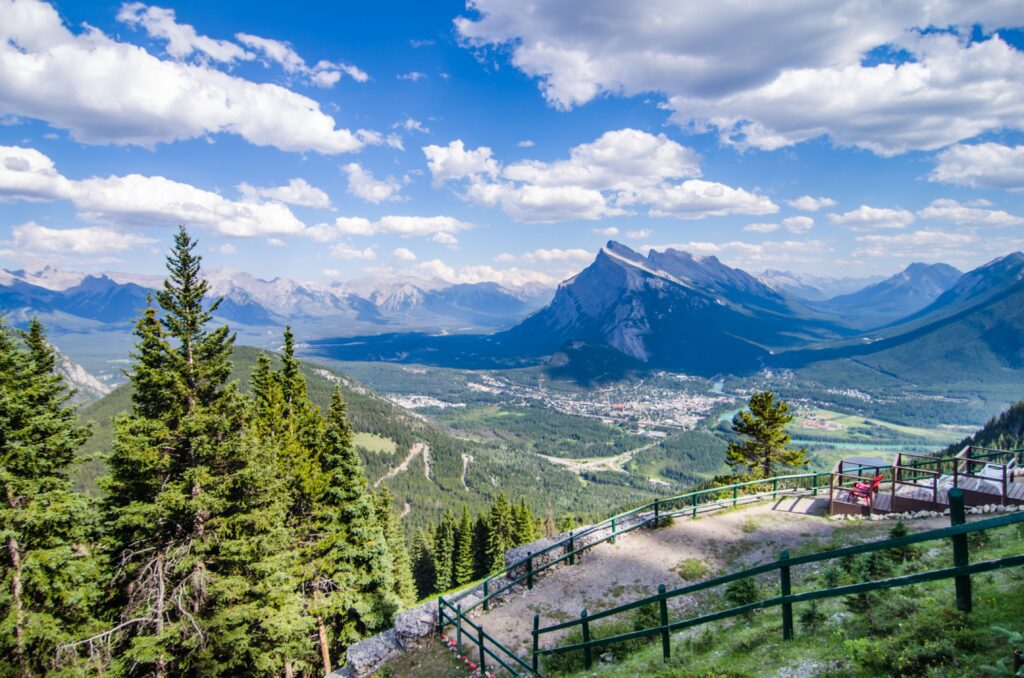
Best Time to Visit Banff National Park
The best time to visit Banff National Park really depends on what kind of trip you’re after. Each season brings a completely different experience.
Summer (June to August) is the most popular time to visit. The weather is warm, hiking trails are fully open, and the lakes show off their brightest turquoise color. Keep in mind this is also peak season, so expect bigger crowds and higher prices.
Fall (September to early October) is a favorite for many travelers. The crowds thin out, temperatures are cooler, and golden larch trees add a beautiful pop of color to the mountains.
Winter (December to March) transforms Banff National Park into a snowy wonderland. It’s ideal for skiing, snowboarding, and cozy mountain town vibes — just be prepared for cold temperatures and limited access to some trails.
Spring (April to May) is quieter and budget-friendly, though melting snow can make some hikes and roads less accessible.
Practical tip: If you want fewer crowds but still good weather, aim for early June or mid-September.
No matter when you go, Banff National Park has something worth seeing — it just depends on the experience you’re looking for.
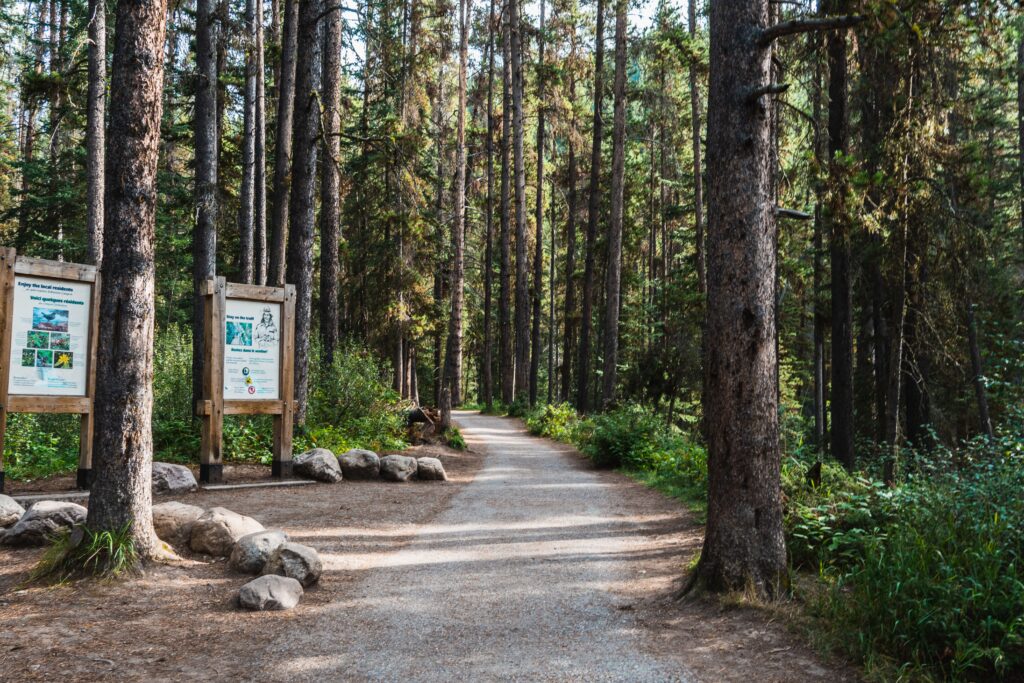
Top Things to Do in Banff National Park
Beyond its famous lakes, Banff National Park has plenty of other activities that make it worth a longer stay. Here are a few more highlights to add to your itinerary.
- Hiking trails for every level — from easy walks like Johnston Canyon to more challenging routes like Plain of Six Glaciers, there’s a trail for every skill level.
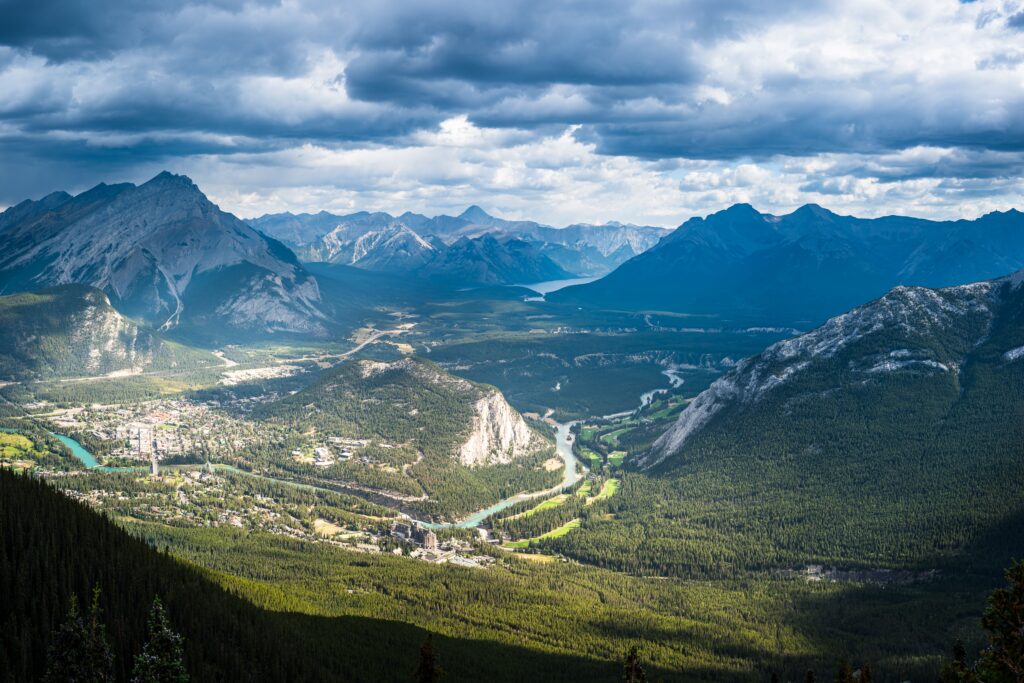
- Banff Gondola — Ride up Sulphur Mountain for panoramic views of the surrounding peaks and valleys without needing to hike.
- Wildlife watching — Keep an eye out for elk, bighorn sheep, and even black bears (from a safe distance, of course).
- Icefields Parkway — One of the most scenic drives in the world, connecting Banff National Park to Jasper with glaciers and waterfalls along the way.
Practical tip: Always carry bear spray if you’re hiking, and check trail conditions before heading out, since some routes may have seasonal closures or wildlife restrictions.
With so many things to do in Banff National Park, it’s easy to fill several days here and still leave wanting more.
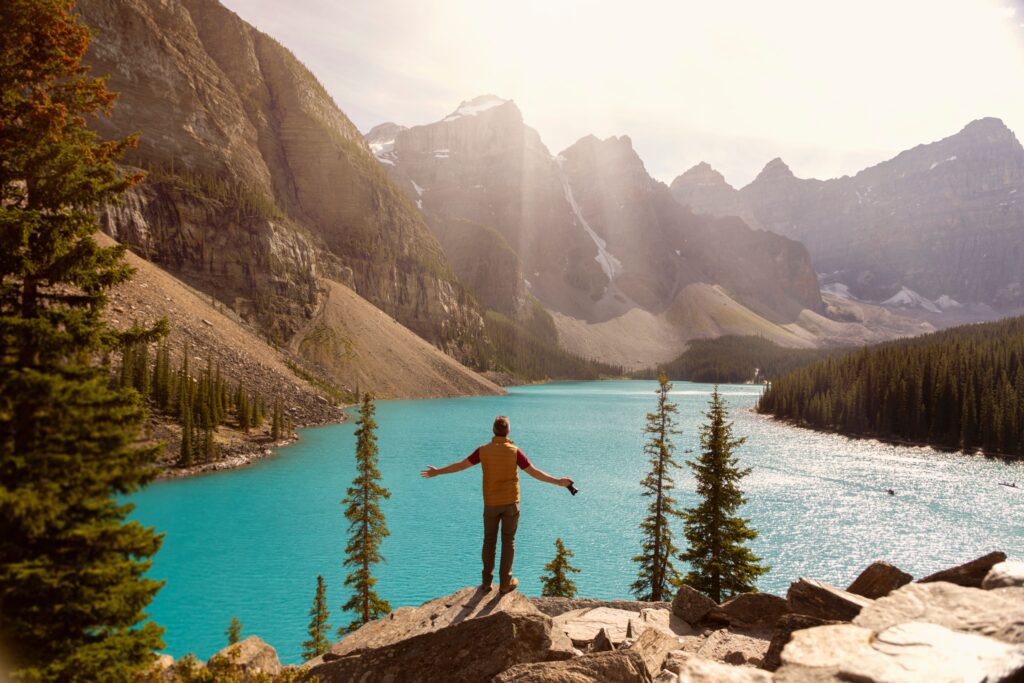
Best Lakes to Visit (Lake Louise, Moraine Lake)
No trip to Banff National Park is complete without visiting its famous lakes.
- Lake Louise — Known for its striking turquoise water and the historic Fairmont Chateau sitting right on the shore. It’s stunning in every season, but especially breathtaking in summer.
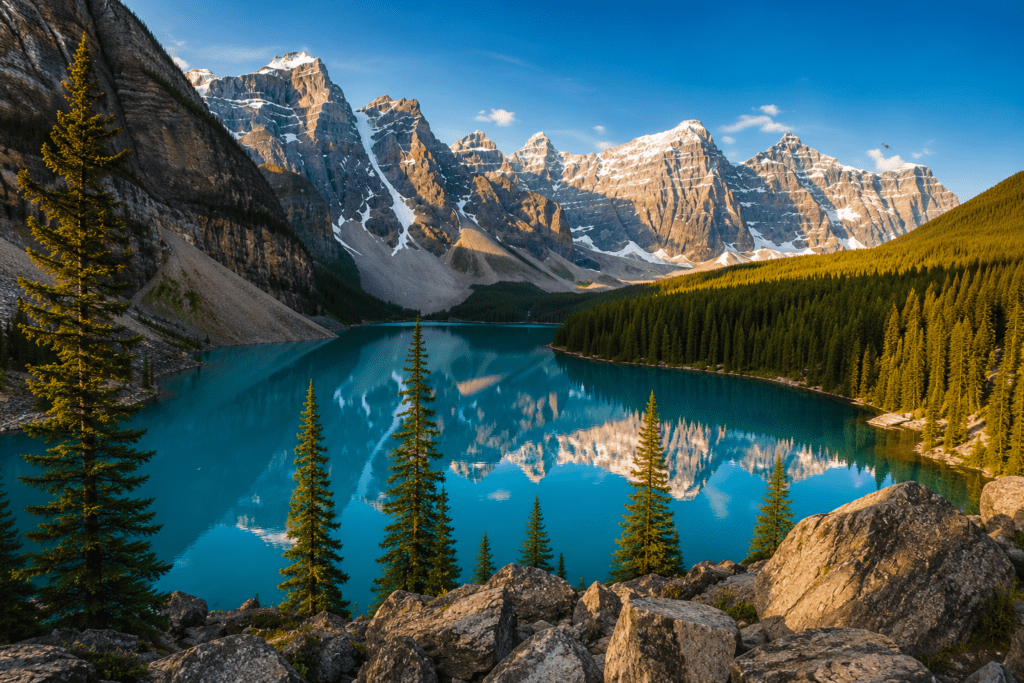
- Moraine Lake — Surrounded by the “Valley of the Ten Peaks,” this lake is often considered even more photogenic than Lake Louise. It’s a shorter season since it’s usually only accessible from late spring to early fall.
Practical tip: Both lakes get extremely busy, especially in summer. Arrive early in the morning (before 7 AM) to find parking and enjoy the views without the crowds. Moraine Lake Road often closes once parking lots fill up.
Beyond the lakes, Banff National Park also offers scenic hikes, wildlife spotting opportunities, and viewpoints that make every stop worth the trip.
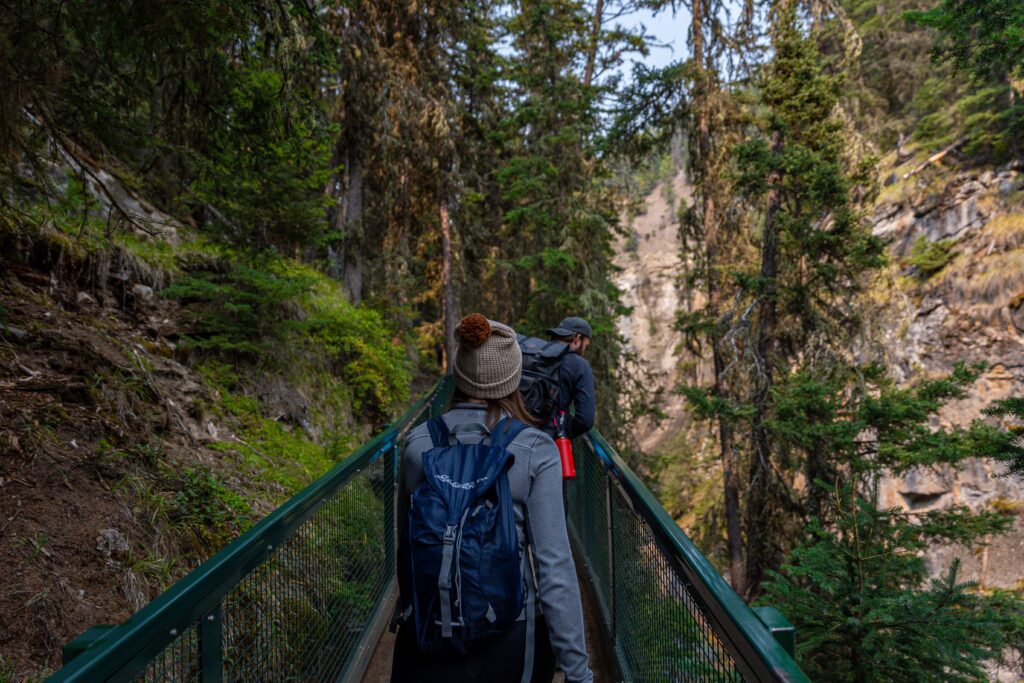
Best Hikes for Beginners and Pros
Hiking is one of the best ways to experience Banff National Park, and there’s a trail for every fitness level and experience.
- Johnston Canyon — An easy, well-paved trail leading to beautiful waterfalls. Perfect for beginners or families with kids.
- Lake Agnes Tea House Trail — A moderate hike starting near Lake Louise, ending at a rustic tea house with gorgeous views.
- Plain of Six Glaciers — A longer, more challenging trail that rewards hikers with close-up views of glaciers and mountain peaks.
- Sulphur Mountain Trail — A steady climb for more experienced hikers, with the option to take the gondola down if you’re tired.
Practical tip: Start hikes early in the morning to avoid crowds and afternoon weather changes, which can happen quickly in the mountains. Always bring layers, water, and check trail difficulty ratings before heading out.
Whether you’re looking for a relaxing walk or a full day adventure, Banff National Park’s hiking trails make it easy to explore the outdoors at your own pace.
Where to Stay Near Banff National Park
Choosing the right place to stay can make a big difference in how you experience Banff National Park. Luckily, there are options for every travel style and budget.
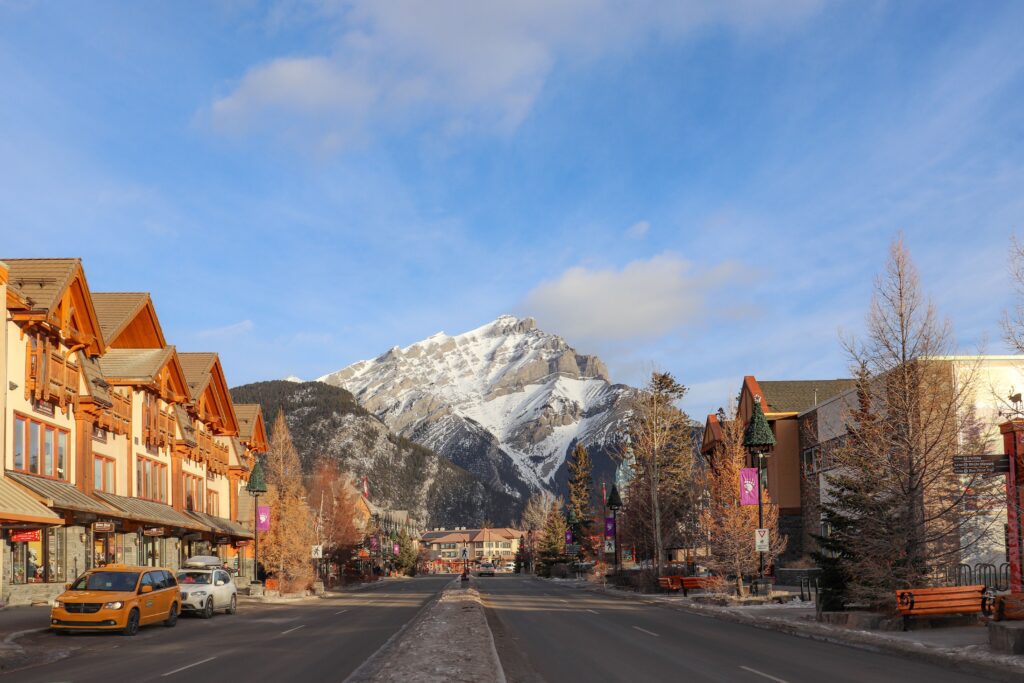
- Banff Town — The most popular home base, with easy access to restaurants, shops, and nearby trails. Great for first-time visitors who want convenience.
- Lake Louise — Ideal if you want to be close to the lake and surrounding hikes without the daily drive. It’s quieter than Banff Town but has fewer dining options.
- Canmore — Located just outside the park, this town offers a more relaxed vibe and often better prices on accommodations.
- Campgrounds — For a more immersive experience, Banff National Park has several campgrounds ranging from basic to fully serviced sites.
Practical tip: Book accommodations well in advance, especially for summer visits, since Banff National Park is a popular destination and rooms fill up quickly.
No matter where you choose to stay, having a home base near Banff National Park makes it easier to explore everything the area has to offer.
Travel Tips for Visiting Banff National Park
A little planning goes a long way when visiting Banff National Park. Here are some practical tips to make your trip smoother.
- Get a park pass — You’ll need a valid park entry pass, which can be purchased online in advance or at the gate.
- Pack for changing weather — Mountain weather shifts quickly, so bring layers even in summer.
- Book parking or shuttles early — Popular spots like Moraine Lake often require shuttle reservations during peak season, since parking fills up fast.
- Respect wildlife — Keep a safe distance from animals and never feed them, for your safety and theirs.
- Download offline maps — Cell service can be spotty in some areas of the park, so having offline maps or directions saved is helpful.
Practical tip: Check the official Parks Canada website before your trip for real-time updates on road closures, trail conditions, and shuttle schedules.
With a bit of preparation, your visit to Banff National Park can be smooth, stress-free, and unforgettable.