
What Is a “Folk Valley” and Why It’s Trending
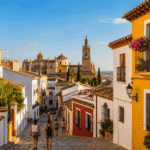
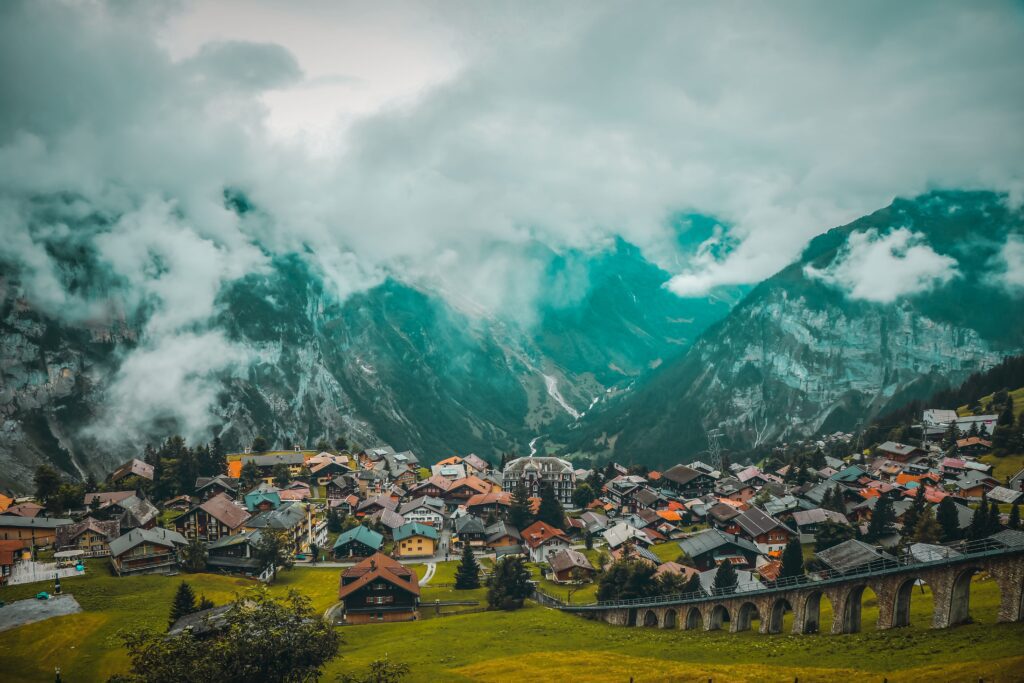
A folk valley is a term travelers use for those storybook-looking valley towns tucked into mountains or hillsides, where wooden cottages, sloped roofs, and colorful facades give off serious fairytale energy. Think misty mornings, flower-lined lanes, and architecture that looks untouched by time.
The folk valley aesthetic has been picking up steam on Pinterest because it taps into a bigger travel mood right now: people want slower, cozier trips instead of crowded city hopping.
Here’s why it’s resonating:
- Visual escapism – folk valley towns feel like stepping into an illustrated storybook
- Slow travel appeal – smaller villages mean fewer crowds and more genuine local charm
- Photo-friendly everything – cobblestone streets, timber houses, and valley backdrops are made for Pinterest boards
- Affordability – many folk valley destinations are lesser-known, so lodging and food tend to cost less than major tourist hubs
Quick travel tip: if a destination is trending as a folk valley spot, check for a nearby larger town with better transport links — many of these villages are small and easiest to reach as a day trip or short stopover rather than your main base.
Top Folk Valley Destinations to Visit
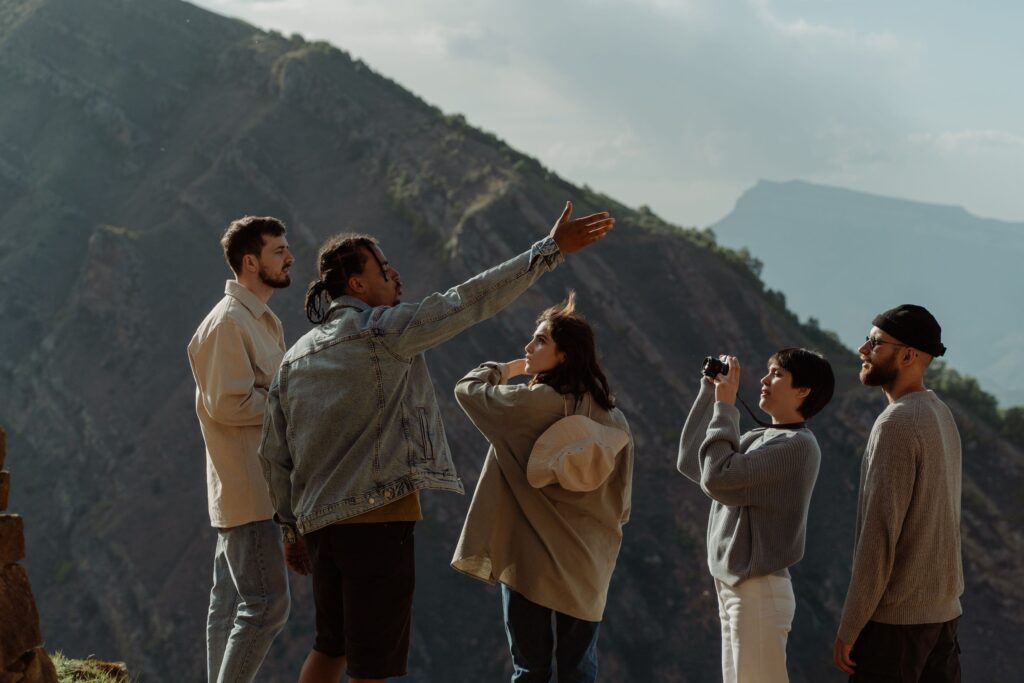
If you’re chasing that folk valley look, these real-world destinations deliver the cottages, mountains, and old-world charm travelers are searching for on Pinterest.
- Hallstatt, Austria – A lakeside village tucked between mountains, known for pastel houses and postcard views
- Cesky Krumlov, Czech Republic – A medieval town with a curving river and a fairytale castle overlooking it
- Giethoorn, Netherlands – Often called the “Venice of the North,” with canals instead of roads and thatched-roof cottages
- Rothenburg ob der Tauber, Germany – A walled medieval town with timber-frame houses straight out of a storybook
- Colmar, France – Colorful half-timbered buildings and canals give this Alsace town major folk valley charm
- Alberobello, Italy – Famous for its unique trulli houses with cone-shaped roofs
- Zakopane, Poland – A mountain town at the foot of the Tatras, known for wooden folk architecture
- Shirakawa-go, Japan – A remote village with steep thatched-roof farmhouses set against a valley backdrop
- Reine, Norway – A fishing village in the Lofoten Islands with red cabins against dramatic peaks
- Bibury, England – A small Cotswolds village with honey-colored stone cottages along a quiet stream
Practical tip: many of these towns are small and best explored on foot in a few hours, so pair them with a nearby city for an easy day trip rather than booking multiple nights.
Booking tip: smaller folk valley towns often have limited lodging, so book accommodations early, especially in peak seasons like summer and around the holidays.
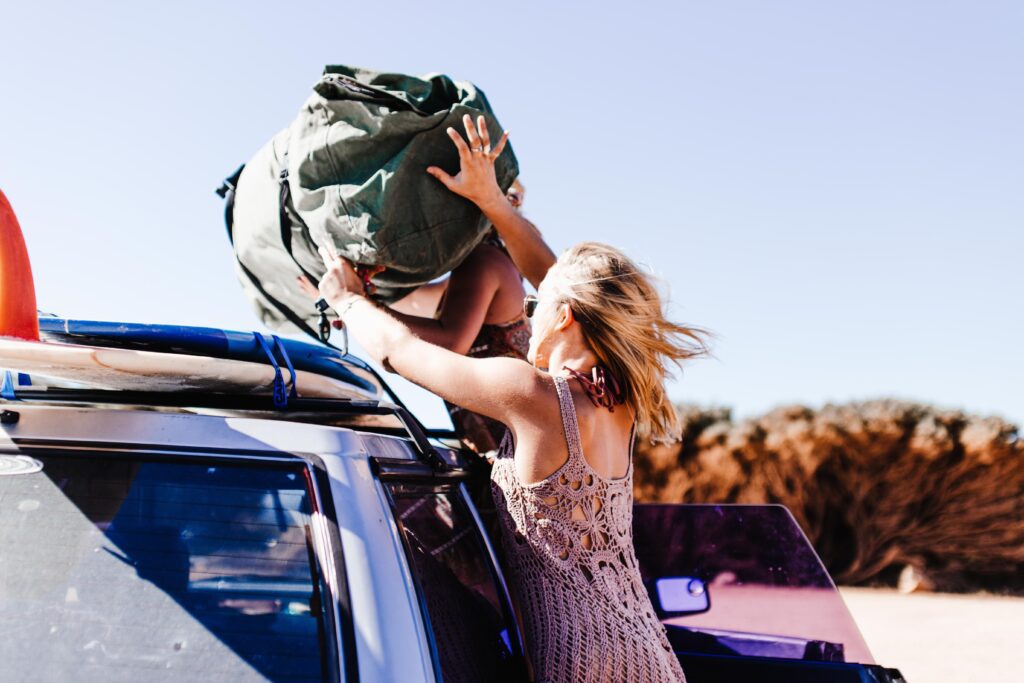
What to Pack for a Folk Valley Getaway
Folk valley towns tend to be walkable, cobblestoned, and set in cooler mountain or countryside climates, so packing smart makes a big difference in comfort.
Here’s what to bring:
- Comfortable walking shoes – cobblestone streets and uneven paths are common, so skip anything without good grip
- Layers – valley towns can shift between chilly mornings and warmer afternoons, especially in mountain regions
- A light rain jacket – many folk valley destinations are known for misty or unpredictable weather
- A daypack – handy for carrying water, snacks, and a camera as you explore on foot
- A camera or phone with good storage – you’ll want it for all the fairytale-style photo spots
- Cash in local currency – smaller villages sometimes have limited card acceptance, especially at markets or family-run cafes
Practical tip: check the local weather forecast a day or two before you go, since mountain and valley towns can have microclimates that differ from nearby cities.
Packing tip: roll clothes instead of folding to save space, especially if you’re hopping between multiple folk valley towns on one trip.
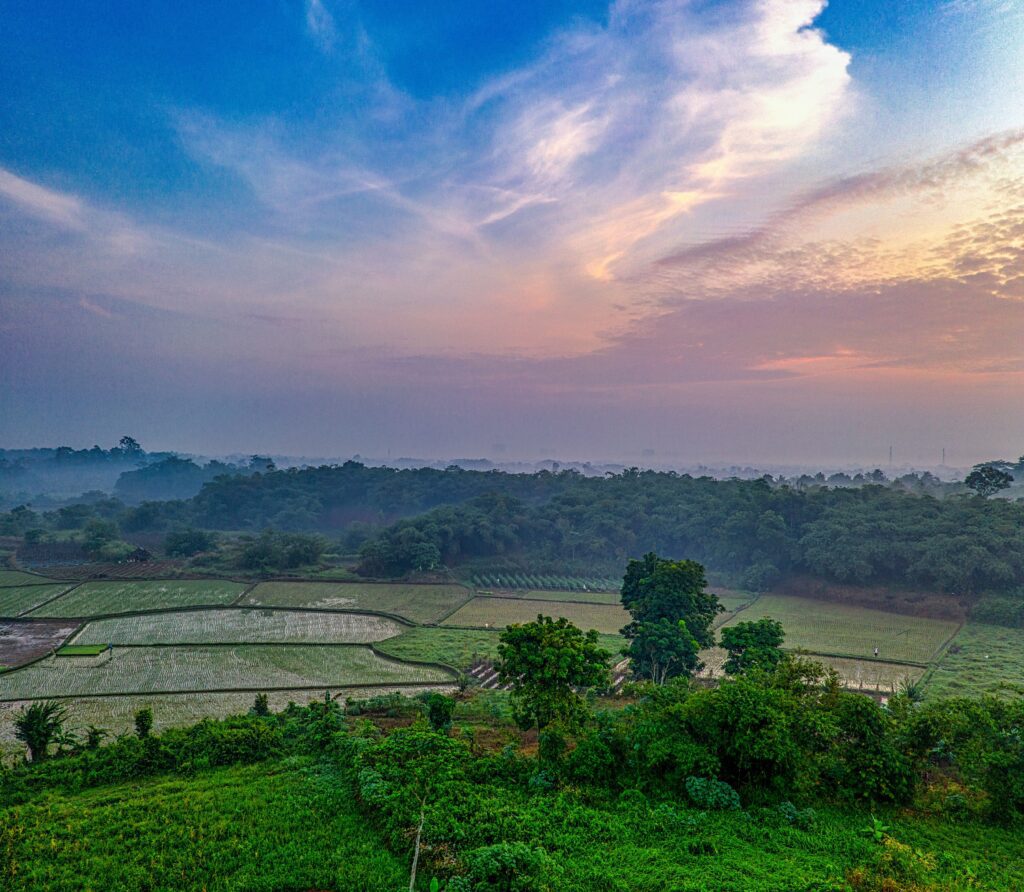
Best Time to Visit a Folk Valley
Timing your trip right can make or break the folk valley experience, since these towns are heavily shaped by weather and seasonal crowds.
Here’s a general breakdown:
- Spring (April–May) – Mild weather, blooming flowers, and fewer tourists make this a sweet spot for many folk valley destinations
- Summer (June–August) – Warmest and busiest, ideal for long daylight hours but expect more crowds and higher prices
- Fall (September–October) – Cooler temperatures and autumn colors add extra charm, especially in mountain valley towns
- Winter (November–February) – Quieter and often snowy, giving folk valley towns an even more storybook feel, though some attractions may have shorter hours
Practical tip: if you want that classic fairytale look with fewer people in your photos, aim for shoulder season — late spring or early fall tends to offer the best mix of good weather and lighter crowds.
Booking tip: for winter visits, confirm ahead that key attractions, restaurants, or transport options are open, since some smaller folk valley towns slow down significantly in the off-season.
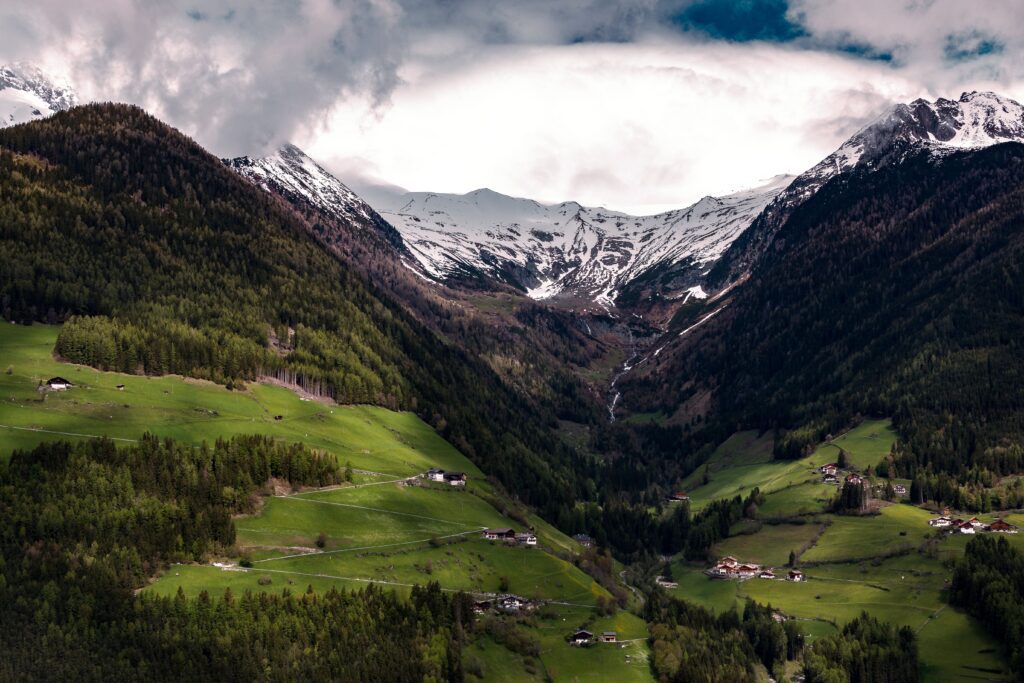
Pinterest-Worthy Photo Spots in Folk Valleys
Part of the fun of visiting a folk valley is capturing that fairytale feel in your photos. A few smart choices about where and when to shoot can make your pictures look Pinterest-ready.
Look for these classic shots:
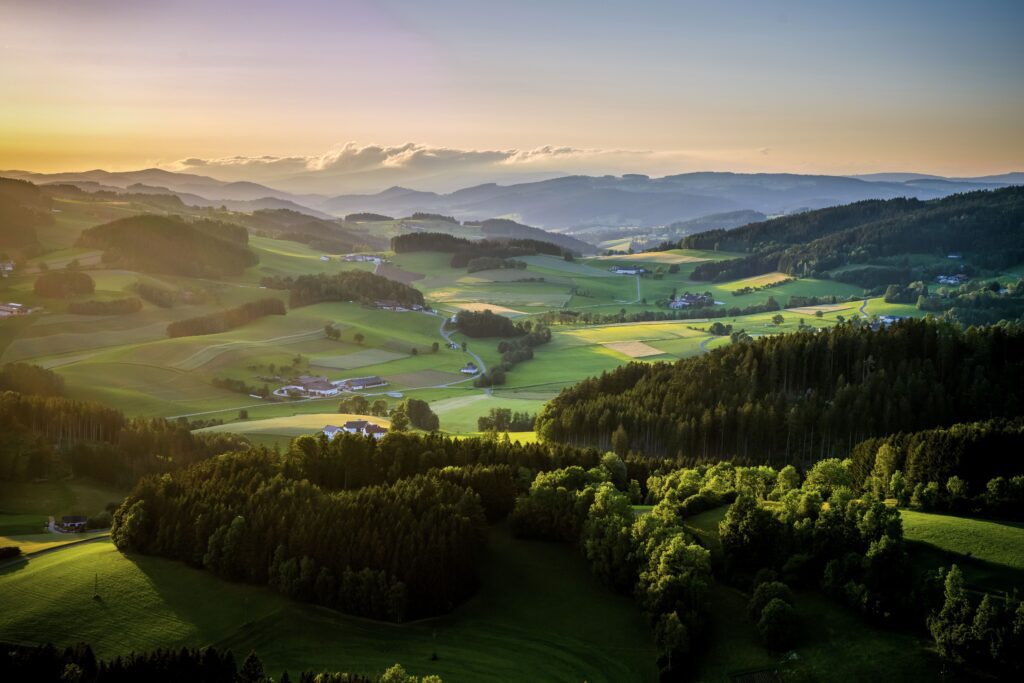
- Wide valley views – Find a hillside or lookout point to capture the village nestled among mountains or greenery
- Cottage-lined streets – Narrow lanes with colorful or timber-framed houses make for great straight-on shots
- Reflections in water – Canals, rivers, or lakes near folk valley towns often create stunning mirror-like reflections
- Doorways and window boxes – Close-up shots of flower boxes, wooden doors, and shutters add cozy detail to your gallery
- Golden hour light – Early morning or late afternoon light gives that warm, storybook glow
Practical tip: visit popular photo spots early in the morning to avoid both crowds and harsh midday light.
Pinterest tip: vertical shots tend to perform better on Pinterest, so hold your phone or camera upright when framing your favorite folk valley scenes.