
Why Norway Should Be Your Next Bucket List Trip
Norway isn’t just another European destination — it’s one of the most dramatic and unforgettable landscapes on Earth.
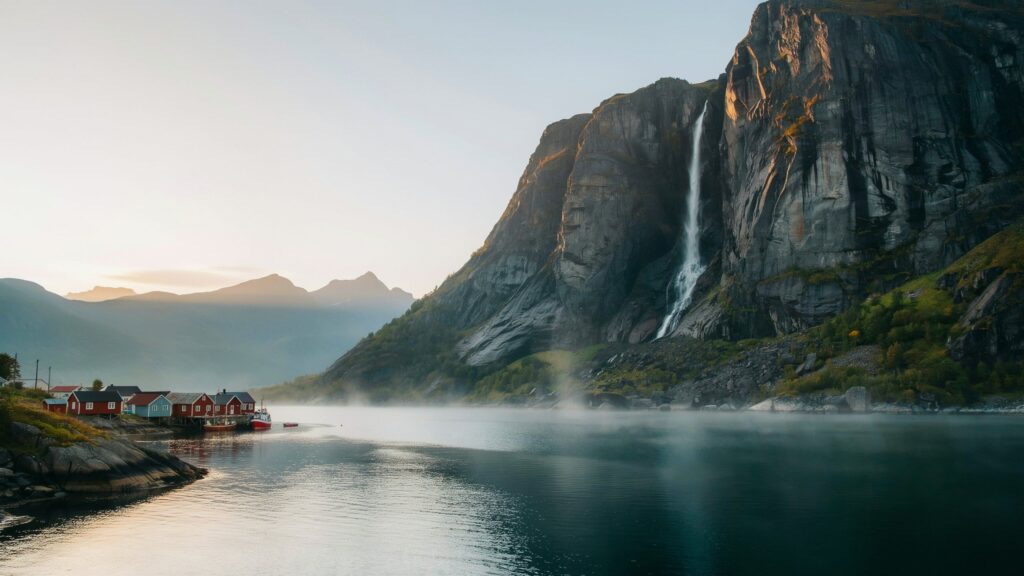
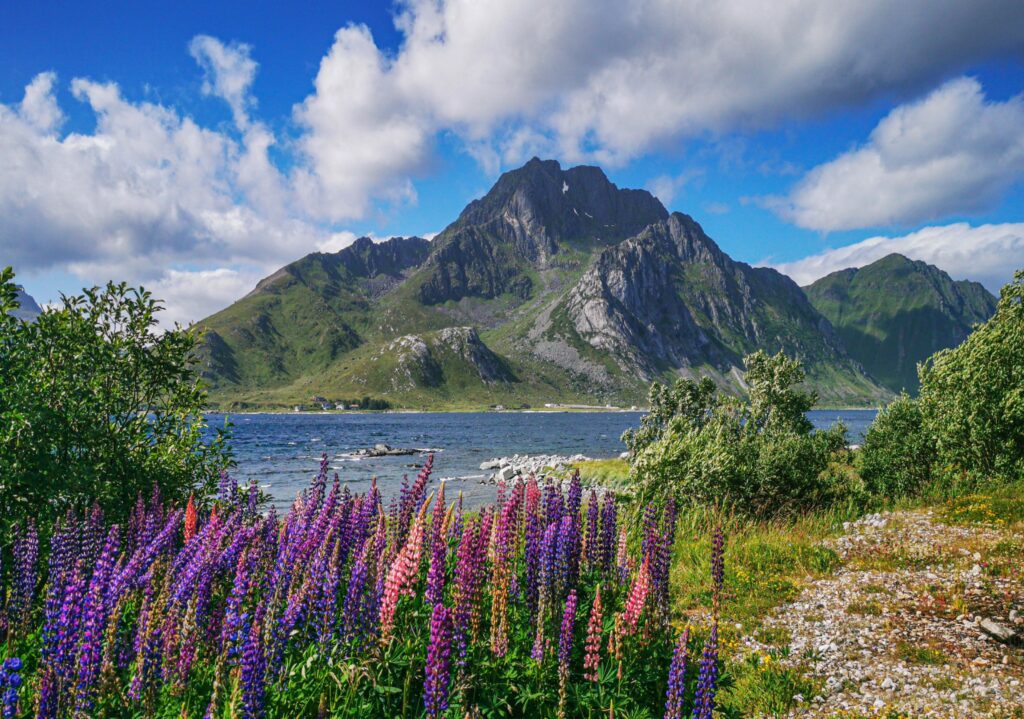
This is a country of towering fjords, dramatic mountains, colorful coastal towns, and skies that put on a show almost year-round. Whether it’s the midnight sun in summer or the northern lights in winter, Norway delivers moments you simply can’t get anywhere else.
Here’s why Norway deserves a spot at the top of your travel list:
- The fjords are otherworldly — steep cliffs, waterfalls, and glassy water that photos genuinely don’t do justice
- It’s incredibly safe and easy to navigate, even for first-time international travelers
- The cities are just as impressive as the nature — think colorful harbor architecture, world-class museums, and walkable streets
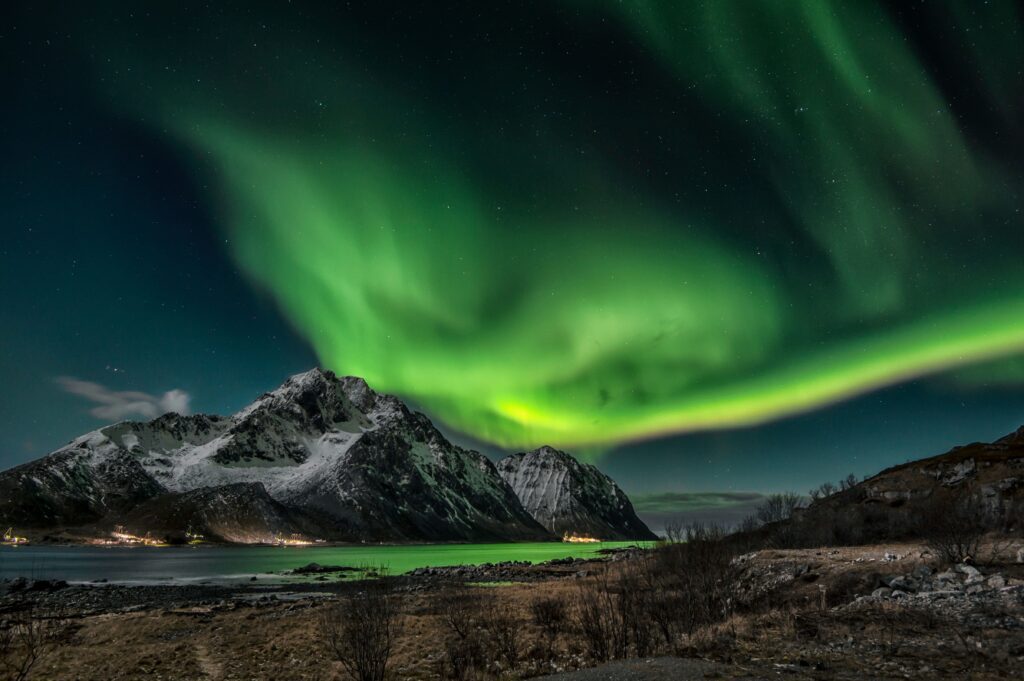
- Northern lights and midnight sun offer completely different experiences depending on when you visit
- It works for every kind of traveler — hikers, foodies, city explorers, and slow-travel lovers alike
The best part? Norway still feels refreshingly uncrowded compared to other major European destinations, especially outside Oslo and Bergen.
Practical tip: Norway is expensive and spread out, so decide early whether you’re focusing on the fjords, the cities, or the Arctic north. Trying to do all three in one trip usually means rushing through the best parts.
If you want a trip that feels bucket-list-worthy in every sense, Norway is it.
Best Things to Do in Norway by Region
Norway is a long, narrow country, and it stretches much farther than most people realize — from the southern coast all the way past the Arctic Circle. To plan a trip that actually makes sense, it helps to think by region.
Here are the best things to do in Norway depending on where you’re headed.
The Fjords
This is the Norway most people picture — steep cliffs, cascading waterfalls, and impossibly blue water. Geirangerfjord and Nærøyfjord are two of the most famous, both UNESCO-listed for good reason. A fjord cruise or scenic drive here is one of the best things to do in Norway, hands down.
The Cities
Oslo offers museums, waterfront dining, and easy access to nature just outside the city. Bergen is smaller and more charming, known for its colorful wooden houses and access to the fjords. Tromsø, further north, blends city life with Arctic adventure.
The Arctic North
This is where things get truly unique — think northern lights in winter, midnight sun in summer, and landscapes that feel untouched. It’s more remote and requires extra planning, but it’s unforgettable.
A few practical tips:
- Renting a car gives you the most flexibility for exploring the fjords at your own pace
- Ferries and scenic train routes (like the Flåm Railway) are just as much a part of the experience as the destinations themselves
- If you’re short on time, pick one region rather than rushing through all three
Practical tip: Distances in Norway look small on a map but take longer than expected due to winding roads and ferry crossings. Build extra travel time into your itinerary.
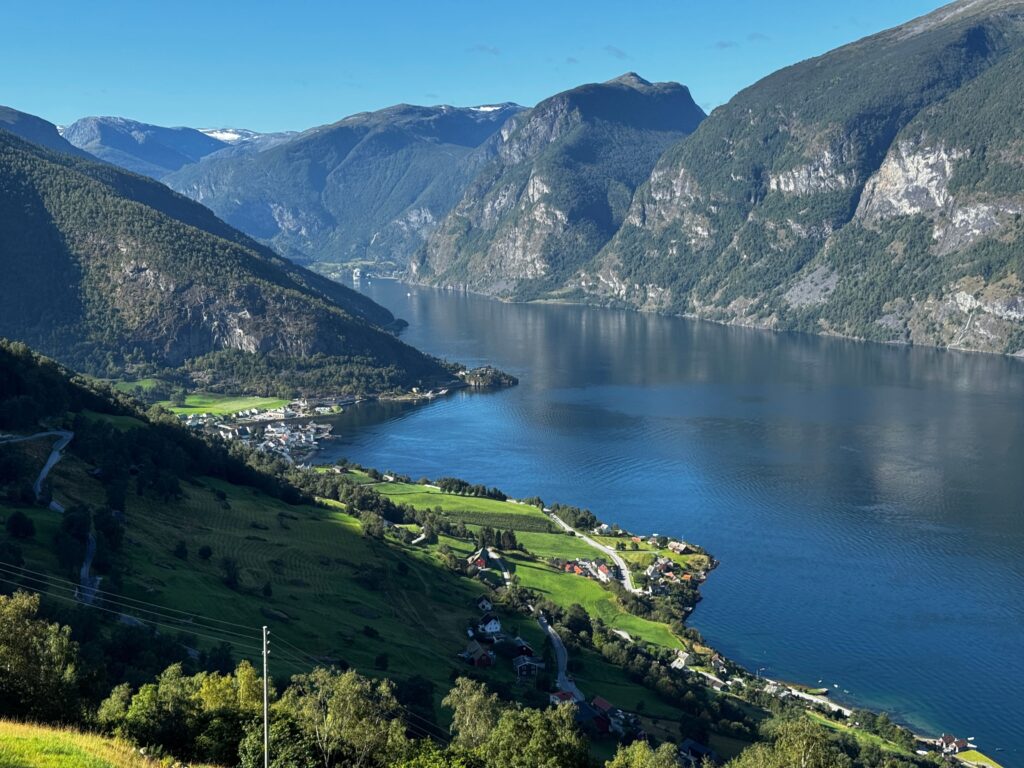
The Fjords (Geirangerfjord, Nærøyfjord)
Norway is a long, narrow country that stretches much farther than most people realize — from the southern coast all the way past the Arctic Circle. To plan a trip that actually makes sense, it helps to think by region.
This is the Norway most people picture — steep cliffs, cascading waterfalls, and impossibly blue water winding between towering mountains.
Geirangerfjord is one of the most famous fjords in the world and a UNESCO World Heritage site. Waterfalls like the Seven Sisters tumble directly into the water, and the views from the surrounding viewpoints are hard to put into words.
Nærøyfjord, one of the narrowest fjords in Europe, offers an even more dramatic, close-up experience. It’s often paired with a scenic ride on the Flåm Railway, considered one of the most beautiful train journeys in the world.
Best ways to experience the fjords:
- Take a fjord cruise for classic postboard views without the effort
- Drive the scenic routes yourself for total flexibility and photo stops
- Combine a ferry crossing with the Flåm Railway for one of Norway’s most iconic day trips
- Hike to a viewpoint like Dalsnibba or Stegastein for a bird’s-eye perspective
Practical tip: Fjord cruises and the Flåm Railway get booked out quickly in summer. Reserve tickets at least a few weeks in advance if you’re visiting between June and August.
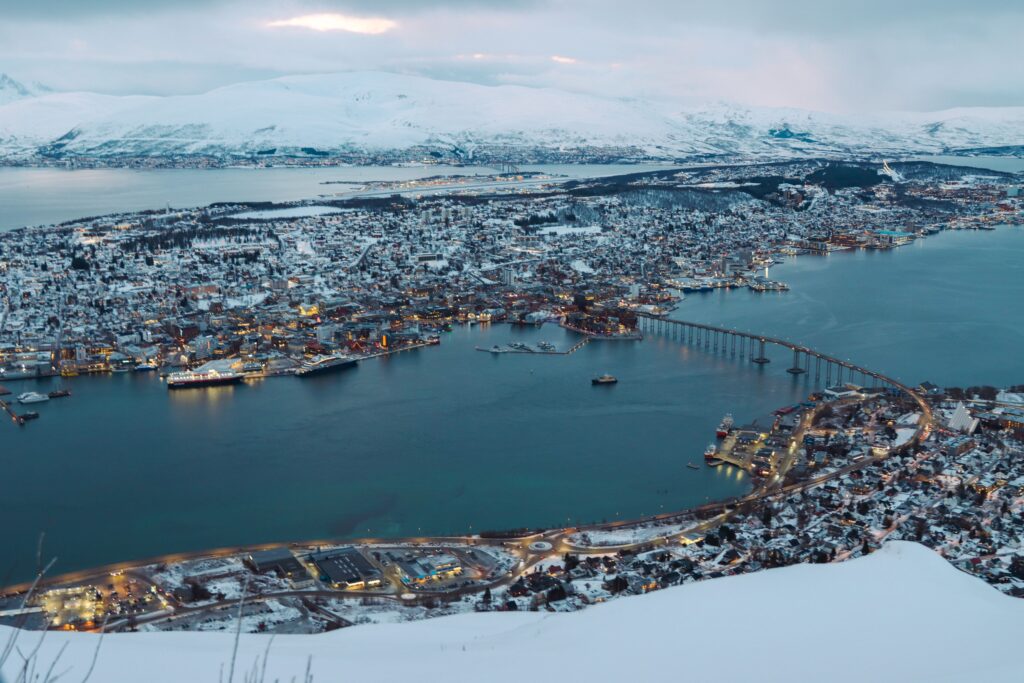
Cities Worth Exploring (Oslo, Bergen, Tromsø)
Norway’s cities offer a completely different experience from the fjords, but they’re just as worth your time.
Oslo, the capital, blends modern architecture with green spaces and waterfront dining. It’s home to excellent museums, including ones dedicated to Viking history and polar exploration, and it’s an easy base for day trips into nature.
Bergen is smaller, older, and full of character. The colorful wooden houses of Bryggen along the harbor are a UNESCO World Heritage site, and the city is often called the gateway to the fjords thanks to its easy ferry connections.
Tromsø, located well above the Arctic Circle, mixes city comforts with true Arctic adventure. It’s one of the best places in Norway to see the northern lights and also offers whale watching, dog sledding, and fjord cruises depending on the season.
A few things to do in these cities:
- Walk through Bryggen in Bergen at golden hour for the best photos
- Visit the Fram Museum in Oslo to learn about Norway’s polar expeditions
- Take the Fløibanen funicular in Bergen for panoramic city and fjord views
- Book a northern lights tour in Tromsø between September and March
Practical tip: Oslo and Bergen are connected by one of the world’s most scenic train rides. If you have the time, take the train instead of flying — the mountain scenery along the way is worth it.
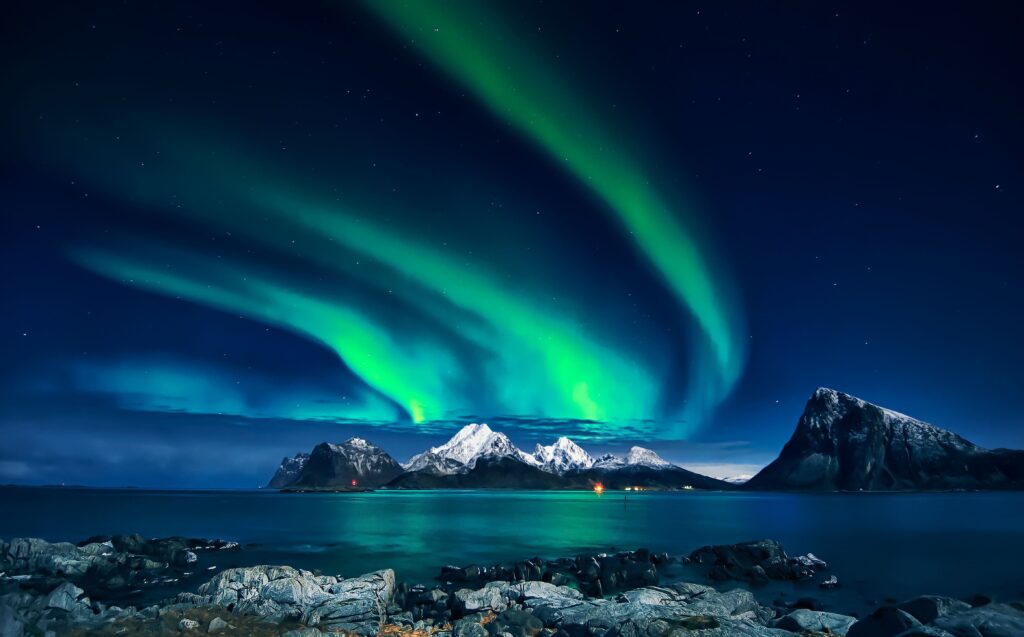
Arctic & Northern Lights Country
Norway is a long, narrow country that stretches much farther than most people realize — from the southern coast all the way past the Arctic Circle. To plan a trip that actually makes sense, it helps to think by region.
This is where Norway feels truly wild. North of the Arctic Circle, the landscapes, light, and pace of life shift into something completely different.
In winter, this region is one of the best places in the world to see the northern lights, with clear, dark skies and minimal light pollution. In summer, it flips entirely — the midnight sun keeps the sky bright almost around the clock, giving you extra hours to explore.
Beyond the lights, Arctic Norway offers dramatic scenery you won’t find further south — jagged peaks rising straight from the sea, remote fishing villages, and a slower, more untouched way of life.
Top things to do in Arctic Norway:
- Chase the northern lights on a guided tour for the best viewing spots and timing
- Visit the Lofoten Islands for some of Norway’s most dramatic coastal scenery
- Try dog sledding or reindeer sledding in winter
- Go whale watching near Tromsø, especially between October and January
- Experience the midnight sun with a late-night hike or boat trip in summer
Practical tip: Northern lights sightings depend on clear skies and solar activity, so nothing is guaranteed. Plan at least 3–4 nights in the region to give yourself a realistic chance of seeing them.
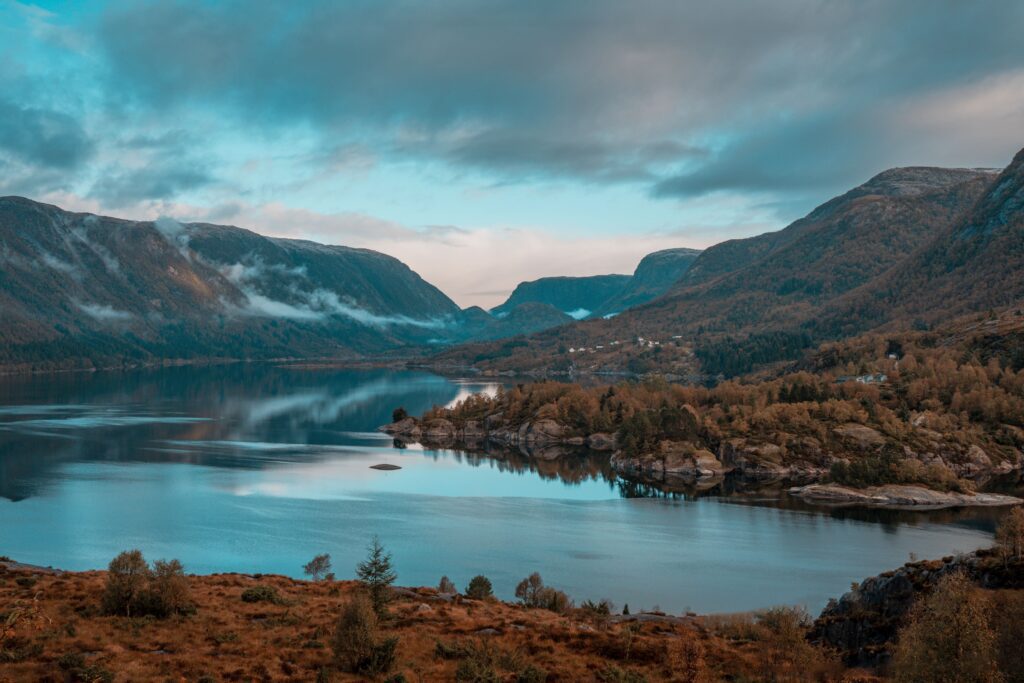
Best Time to Visit Norway
Norway looks completely different depending on the season, so the best time to visit really comes down to what kind of trip you want.
Summer (June–August) is peak season and the most popular time to visit Norway. Days are long thanks to the midnight sun, especially in the north, and this is the best window for fjord cruises, hiking, and road trips. Expect higher prices and more crowds in Bergen and the fjords.
Fall (September–October) brings fewer crowds, crisp weather, and the start of northern lights season in the north. It’s a great time for a quieter trip that still has decent daylight hours.
Winter (November–February) is prime time for the northern lights, especially in Tromsø and other Arctic areas. Expect short days, cold temperatures, and a completely different — but magical — version of Norway.
Spring (March–May) is quieter and more budget-friendly, though some mountain roads and ferries may still be affected by lingering snow.
Quick seasonal breakdown:
- 🌊 Best for fjords & hiking: June–August
- 🍂 Best for fewer crowds: September–October
- 🌌 Best for northern lights: October–March
- ☀️ Best for midnight sun: June–July
Practical tip: If seeing the northern lights is your main goal, plan for at least a week between October and March, and choose a base in northern Norway like Tromsø for the best chances of clear, dark skies.
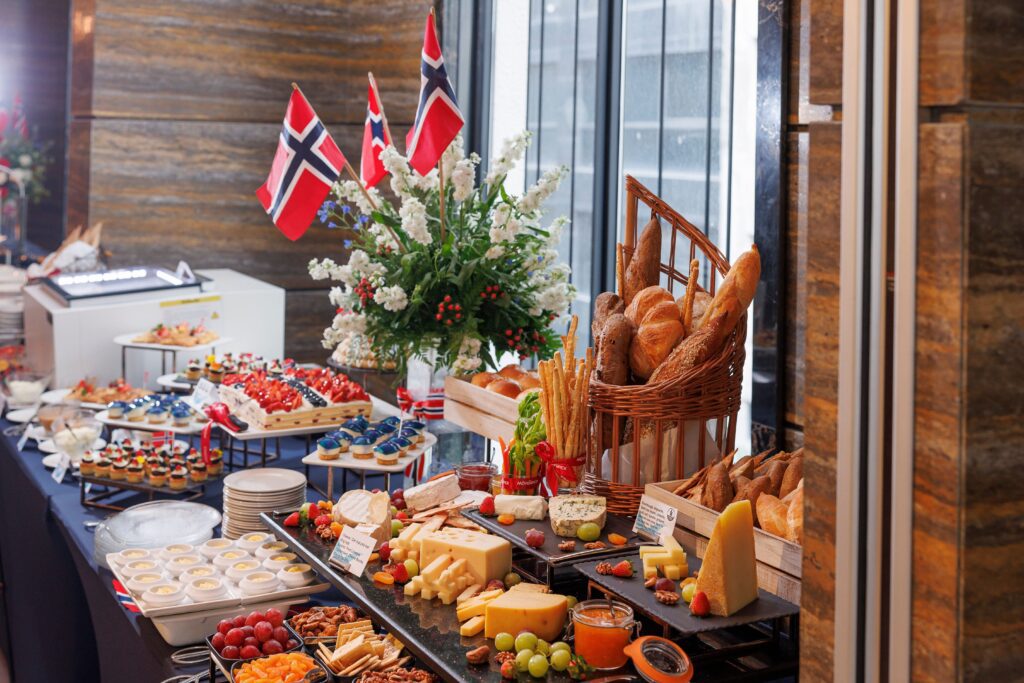
What to Eat in Norway (Don’t Skip This)
Norwegian food is simple, fresh, and deeply connected to the sea and the land — and it’s a bigger part of the travel experience than most people expect.
Here’s what to eat when you’re in Norway — don’t leave without trying these.
Salmon is the obvious starting point. Norway is one of the world’s largest salmon producers, and the quality here is on a different level. Try it smoked, cured as gravlaks, or grilled fresh.
Seafood in general is a highlight almost everywhere along the coast. Shrimp, cod, and king crab (especially in the north) are common and consistently excellent.
Waffles (vafler) are a beloved Norwegian snack, usually heart-shaped and served with sour cream and jam. You’ll find them at cafés, markets, and even mountain cabins.
Other foods worth trying:
- Fårikål — a hearty lamb and cabbage stew, considered Norway’s national dish
- Brunost (brown cheese) — a uniquely Norwegian caramelized cheese, often eaten on bread or waffles
- Fresh cinnamon buns (skillingsboller) from local bakeries
- Reindeer, especially in northern Norway, prepared as stew or served with lingonberries
Practical tip: Eating out in Norway is expensive. Save money by shopping at local grocery stores like Rema 1000 or Kiwi, and treat restaurant meals as occasional splurges rather than every meal.
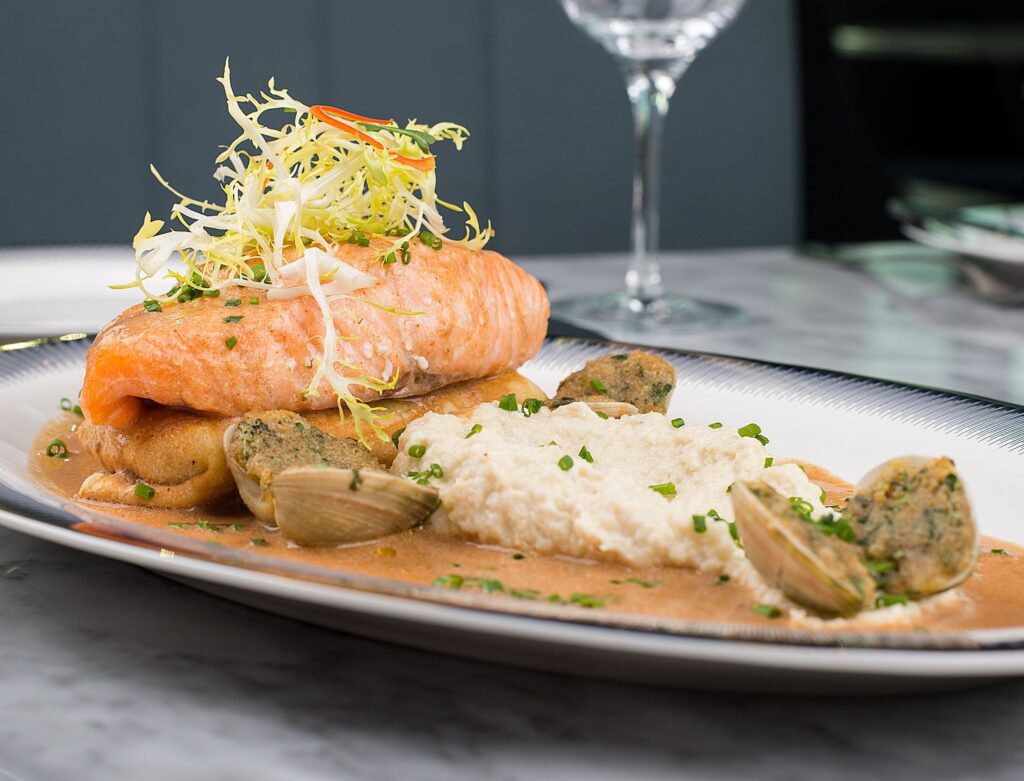
Fresh Norwegian Salmon & Seafood
Norwegian food is simple, fresh, and deeply connected to the sea — and it’s a bigger part of the travel experience than most people expect.
If you eat one thing in Norway, make it the seafood.
Norway is one of the largest salmon producers in the world, and the difference in quality compared to what you’ll find back home is immediately noticeable. It’s rich, clean-tasting, and everywhere — from casual cafés to high-end restaurants.
Ways to try Norwegian salmon:
- Smoked salmon (røkt laks) on open-faced sandwiches, a Norwegian breakfast staple
- Cured salmon (gravlaks) with mustard sauce
- Freshly grilled or pan-seared salmon at coastal restaurants
Beyond salmon, Norway’s seafood scene runs deep. Along the coast, you’ll find fresh shrimp sold straight off boats, cod prepared in dozens of ways, and — especially in the north — king crab, considered one of Norway’s great culinary experiences.
Other seafood worth trying:
- Fiskesuppe (Norwegian fish soup) — creamy, warming, and found on menus nationwide
- King crab in Northern Norway, often served fresh from the Barents Sea
- Shrimp (reker) bought fresh at harborside markets, peeled and eaten on the spot
Practical tip: For the best value, buy fresh seafood directly from harbor markets or fish counters rather than restaurants. In cities like Bergen, the fish market is a great (and slightly more affordable) way to try several types of seafood in one visit.
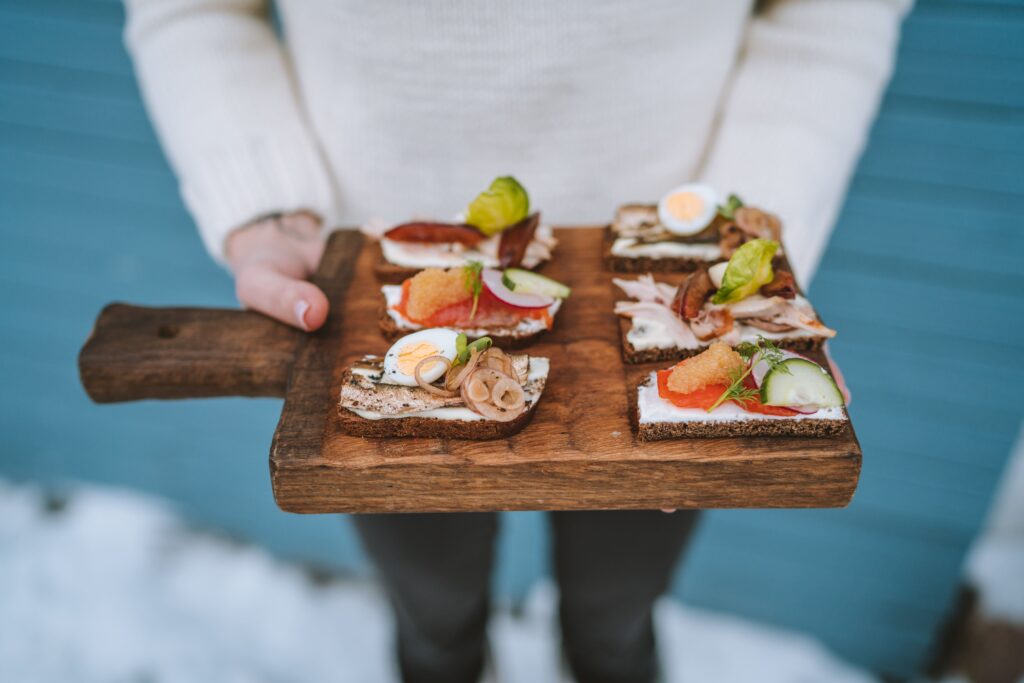
Local Specialties Worth Trying
Norwegian food is simple, fresh, and deeply connected to the sea and the land — and it’s a bigger part of the travel experience than most people expect.
Beyond salmon and seafood, Norway has a handful of local specialties that are well worth seeking out.
Fårikål, a hearty stew made with lamb and cabbage, is considered Norway’s national dish. It’s simple, comforting, and especially popular in the fall.
Brunost, Norway’s famous brown cheese, has a uniquely caramelized, slightly sweet flavor unlike anything else. It’s traditionally sliced thin with a special cheese slicer and eaten on bread, waffles, or crispbread.
Reindeer, particularly in Northern Norway, is a local specialty often served as a stew or paired with lingonberry sauce — a dish rooted in Sámi culinary tradition.
A few more specialties to try:
- Vafler (waffles) — heart-shaped and served with sour cream and jam, found at cafés and even mountain huts
- Skillingsboller — soft, fragrant cinnamon buns sold fresh at local bakeries
- Rømmegrøt — a traditional sour cream porridge, often served with cinnamon and sugar
- Aquavit — a traditional Norwegian spirit, often enjoyed with holiday meals
Practical tip: Many of these specialties are easiest to find at local bakeries, cafés, or traditional restaurants rather than international chains. If you spot a “tradisjonell mat” (traditional food) sign, it’s usually a good sign of authentic options.
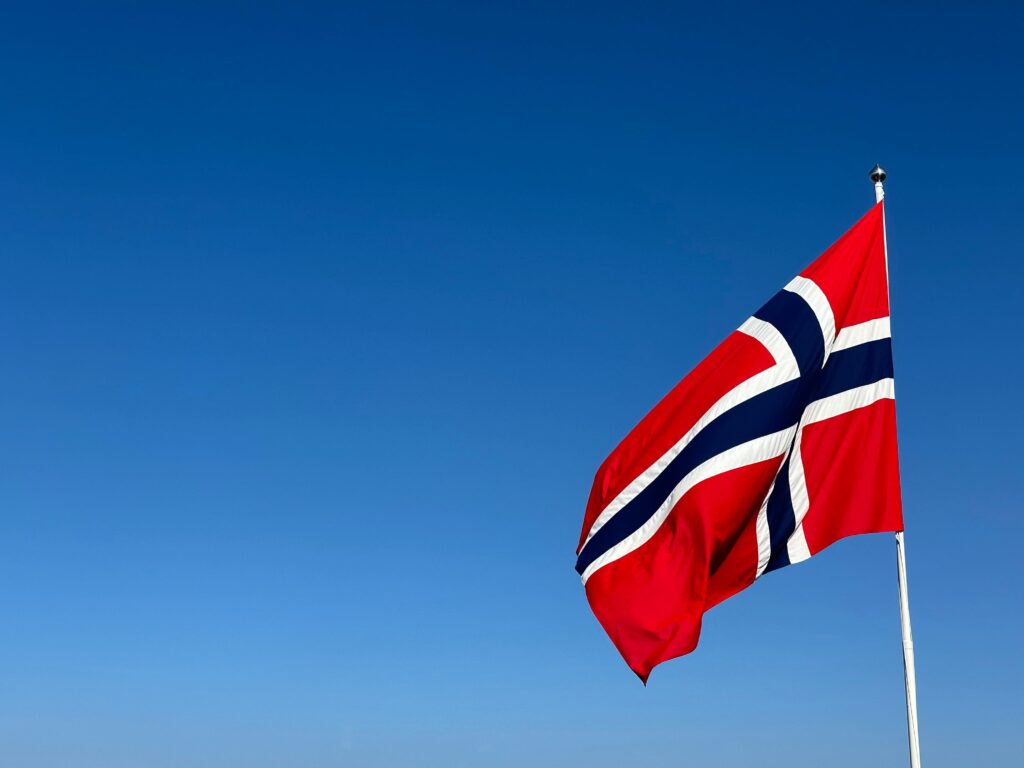
Quick Tips Before You Go to Norway
A little planning goes a long way in Norway. Here are the most useful things to know before your trip.
💰 Budget more than you expect
Norway is one of the more expensive countries in Europe. Food, alcohol, and accommodation all run high, so build extra room into your travel budget, especially for dining out.
🚗 Consider renting a car for the fjords
Public transport works well in cities, but a car gives you far more flexibility for exploring the fjords and smaller towns at your own pace.
📅 Book fjord tours and trains early
Popular routes like the Flåm Railway and fjord cruises sell out quickly in summer. Reserve tickets a few weeks in advance if you’re visiting between June and August.
🌌 Plan around the season you want
Chasing the northern lights or the midnight sun? Your travel dates matter a lot in Norway. Check seasonal timing before booking flights.
🧥 Pack layers, even in summer
Weather can shift quickly, especially near the coast and mountains. A waterproof jacket is essential year-round.
A few more quick reminders:
- Tap water is safe to drink everywhere in Norway
- Card payments are accepted almost everywhere, even for small purchases
- Hiking trails can be remote — check weather and trail conditions before heading out
- Many attractions and restaurants have limited hours outside peak season, so double-check before visiting
Norway rewards travelers who plan ahead and stay flexible with the weather. Get the basics sorted, then leave room to soak in the scenery.