

Why Spain Should Be on Your Travel List
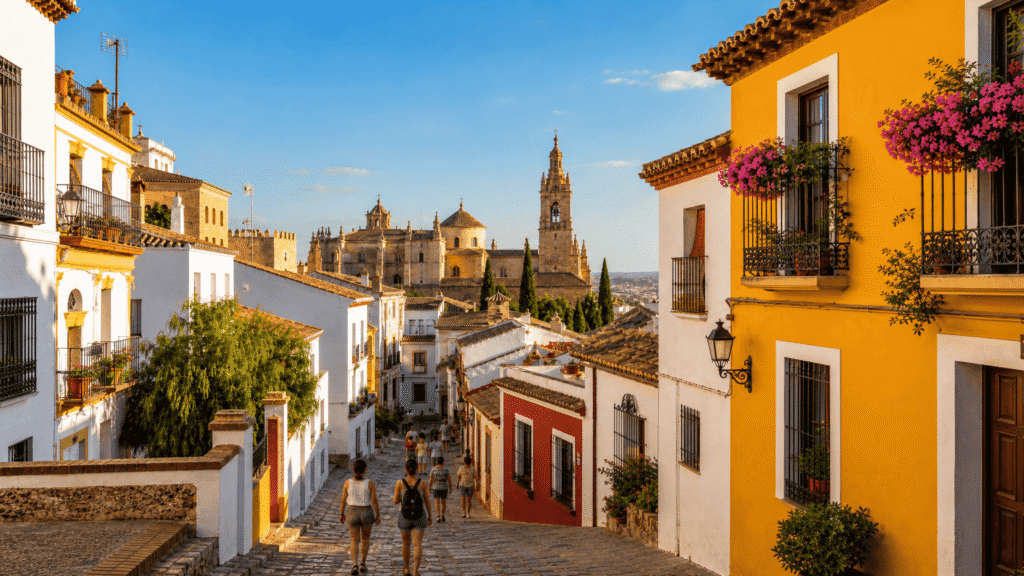
Spain has a little bit of everything, which is exactly why it’s such a popular pick for first-time travelers. Think sunny beaches, lively cities, mountain villages, and some of the best food in Europe, all in one country.
Here’s what makes it worth the trip:
- Diverse landscapes – From the Mediterranean coast to the Pyrenees mountains, you get beach days and hiking trails without switching countries.
- Rich history and culture – Ancient castles, Roman ruins, and Moorish architecture make sightseeing genuinely interesting, not just checklist tourism.
- Incredible food scene – Tapas, paella, and fresh seafood are affordable and easy to find almost anywhere you go.
- Easy to get around – A solid train and bus network makes it simple to hop between cities without renting a car.
- Budget-friendly compared to other Western European countries – Meals, transport, and accommodation often cost less than in France or Italy.
If you’re putting together your first Spain travel guide, this mix of culture, scenery, and affordability is why the country keeps showing up on so many travel bucket lists.
Quick tip: If it’s your first visit, try to pick 2–3 regions instead of rushing across the whole country. Spain rewards slower travel.
Best Time to Visit Spain
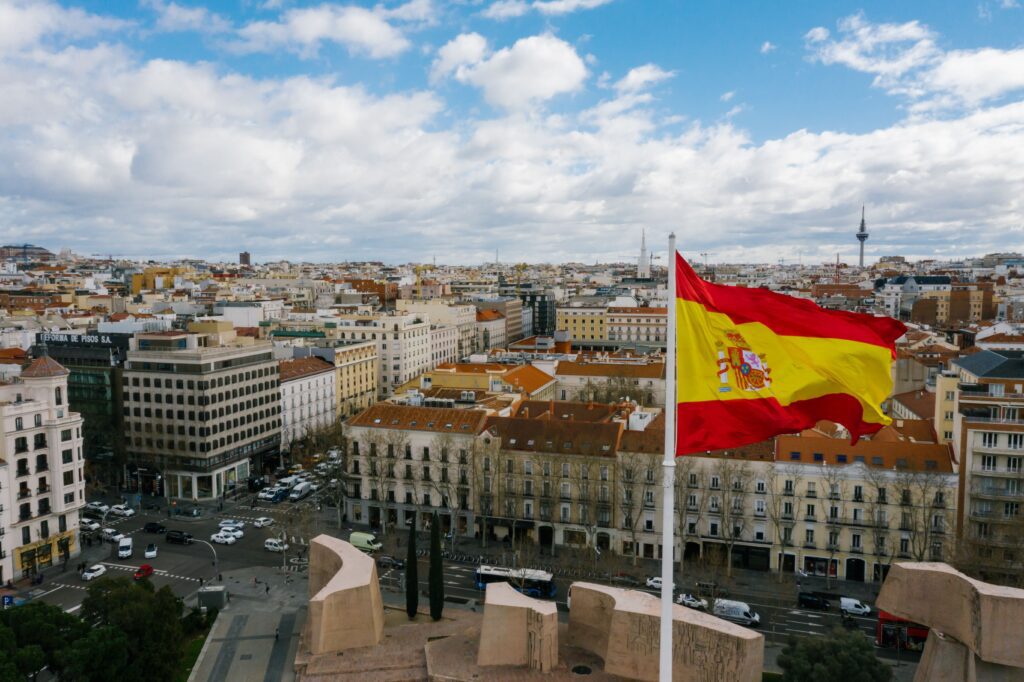
Timing your trip right can make a big difference in how much you enjoy it. Spain’s weather and crowd levels shift a lot by season, so here’s a quick breakdown to help with your planning.
- Spring (April–May) – Mild temperatures, blooming landscapes, and fewer crowds. One of the best times to explore cities like Seville and Barcelona comfortably.
- Summer (June–August) – Peak season with hot temperatures, especially inland. Great for beach towns, but expect higher prices and bigger crowds at major attractions.
- Fall (September–October) – Warm days, cooler evenings, and thinner crowds. Many travelers consider this the sweet spot for sightseeing.
- Winter (November–March) – Mild in the south (like Andalusia), colder up north. A good option for budget travel and skipping the tourist rush.
Any solid Spain travel guide will point you toward spring or fall if you want comfortable weather without the peak-summer crowds and prices.
Quick tip: Booking flights and accommodation 2–3 months ahead for spring or fall travel usually gets you better rates before the season fills up.

10 Best Places to Visit in Spain
Spain has no shortage of amazing destinations, but these 10 spots are a great starting point for any first-time visitor building out their Spain travel guide.
- Barcelona – Famous for Gaudí’s architecture, beaches, and a buzzing food scene.
- Madrid – Spain’s capital, known for world-class museums, parks, and nightlife.
- Seville – Home to stunning Moorish architecture and the birthplace of flamenco.
- Granada – Don’t miss the Alhambra, one of Spain’s most iconic landmarks.
- Valencia – A mix of futuristic architecture and the original home of paella.
- San Sebastián – A coastal foodie town famous for pintxos and beautiful beaches.
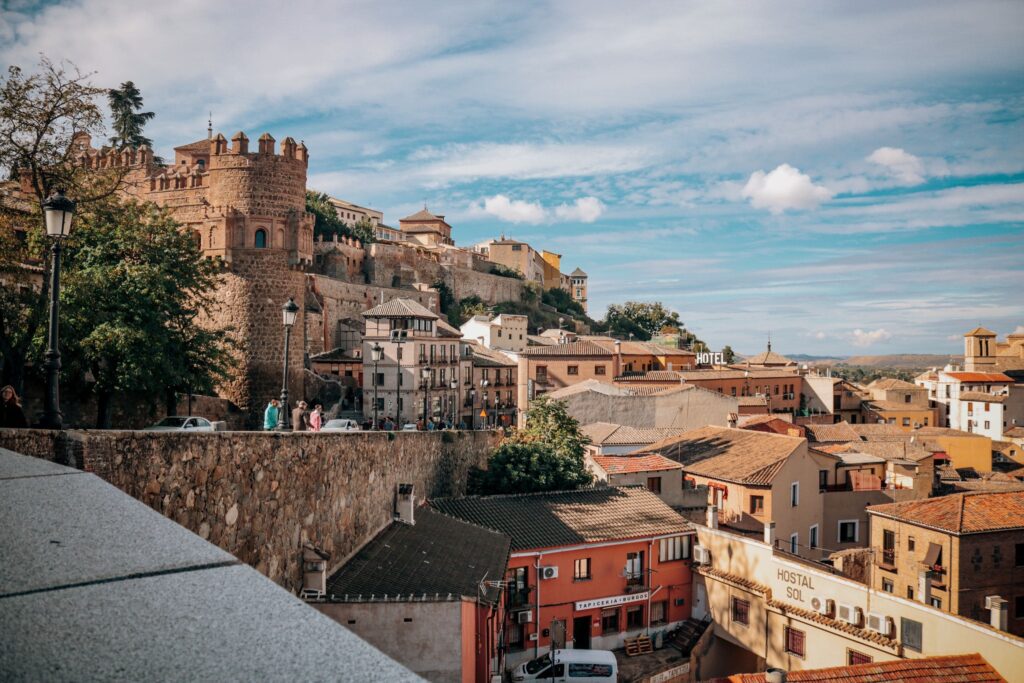
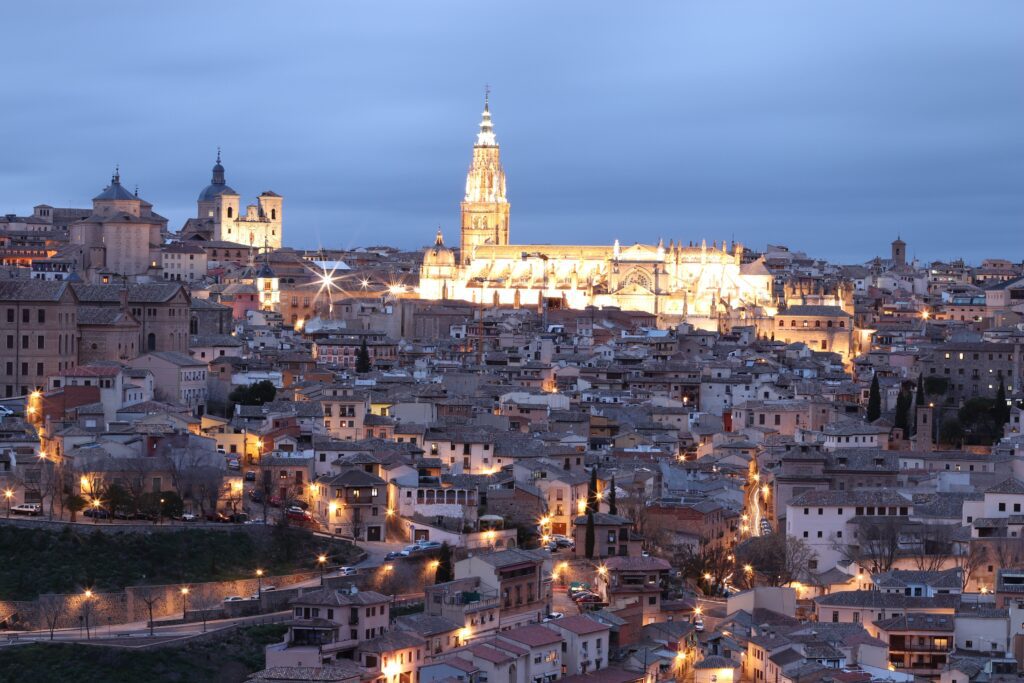
- Toledo – A historic hilltop city, easy to visit as a day trip from Madrid.
- Málaga – Sunny beaches plus a growing arts and culture scene.
- Ibiza – Known for nightlife, but also has quiet beaches and scenic coves.
- Bilbao – Home to the Guggenheim Museum and a great gateway to northern Spain.
Quick tip: Instead of trying to see all 10 in one trip, pick 3–4 that are close together (like Madrid, Toledo, and Seville) so you’re not spending your whole vacation in transit.
Top Cities
Spain has no shortage of amazing destinations, but these picks are a great starting point for any first-time visitor building out their Spain travel guide.
- Barcelona – Famous for Gaudí’s architecture, beaches, and a buzzing food scene.
- Madrid – Spain’s capital, known for world-class museums, parks, and nightlife.
- Seville – Home to stunning Moorish architecture and the birthplace of flamenco.
- Valencia – A mix of futuristic architecture and the original home of paella.
- Bilbao – Home to the Guggenheim Museum and a great gateway to northern Spain.
Quick tip: If you’re short on time, Madrid and Barcelona are the easiest to fly into directly, making them ideal starting points for a first trip.

Hidden Gem Towns
Spain has no shortage of amazing destinations, but these picks are a great starting point for any first-time visitor building out their Spain travel guide.
- Ronda – A dramatic clifftop town split by a deep gorge, with one of Spain’s most photographed bridges.
- Toledo – A historic hilltop city near Madrid, packed with medieval architecture and easy for a day trip.
- San Sebastián – A coastal town famous for pintxos (Basque-style tapas) and beautiful beaches.
- Girona – A colorful, walkable old town near Barcelona with a well-preserved medieval quarter.
- Cuenca – Known for its “hanging houses” built right into the cliffside.
Quick tip: These smaller towns are often easiest to visit as day trips from a major city, so you get the charm without needing extra hotel stays.

How to Plan Your Spain Itinerary
Once you know where you want to go, the next step is putting it all together in a way that doesn’t feel rushed. Here’s how to build a simple, realistic Spain itinerary.
- Start with your trip length – A week is enough for 2–3 cities. Two weeks gives you room to add smaller towns or a coastal stop.
- Group destinations by region – Pair Madrid with Toledo, or Barcelona with Girona, so you’re not backtracking across the country.
- Use trains between cities – Spain’s high-speed rail (like the AVE) makes city-to-city travel fast and easy, often faster than flying once you factor in airport time.
- Balance big cities with slower stops – Mixing a busy city like Madrid with a quieter town like Ronda helps avoid burnout.
- Book major attractions in advance – Spots like the Alhambra in Granada often sell out days or weeks ahead.
A well-planned Spain travel guide isn’t about seeing everything — it’s about picking a few places you’ll actually enjoy and giving yourself time to slow down.
Quick tip: Leave one buffer day in your itinerary for rest or spontaneous exploring. It makes the whole trip feel less rushed.
Simple Travel Tips for Spain
Before you go, a few practical tips can help your trip go smoothly, especially if this is your first time visiting.
- Learn a few basic Spanish phrases – English isn’t always widely spoken outside major tourist areas, so simple greetings go a long way.
- Adjust to local meal times – Lunch is often eaten around 2 PM and dinner as late as 9–10 PM, later than many US travelers expect.
- Watch out for siesta hours – Some smaller shops close in the early afternoon, especially in smaller towns.
- Keep cash on hand – Cards are widely accepted, but small cafes and markets sometimes prefer cash.
- Wear comfortable shoes – Many city centers have cobblestone streets, so comfort matters more than style.
- Stay aware of your belongings – Like any popular tourist destination, keep an eye on bags in crowded areas like train stations and markets.
Keeping these small details in mind makes it much easier to enjoy your trip instead of running into last-minute surprises. With this Spain travel guide as your starting point, you’ll be ready to plan a trip that fits exactly what you’re looking for.